World Network Unveils World ID 4.0, Adding Enterprise Fees to Monetize Biometric Verification

- World Network launched its World ID 4.0 upgrade on April 17, shifting from a pure token-incentive model to a paid fee structure for enterprise integrations.
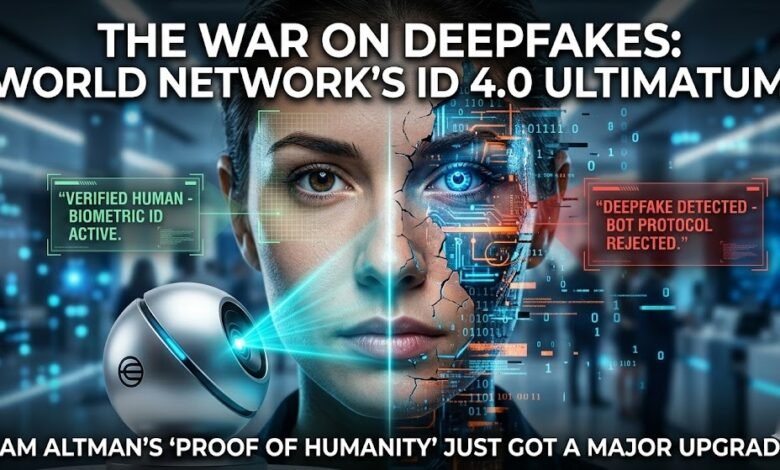
- The project introduced “Deep Face” biometric authentication to counter AI-generated content, though relying on proprietary hardware concentrates identity verification in one private entity.
World Network Pivots to Enterprise Fees Amid Deepfake Protocol Upgrade
World Network, the biometric identity startup co-founded by OpenAI CEO Sam Altman, released a major protocol upgrade on April 17. The update, designated World ID 4.0, introduces new anti-bot infrastructure and transitions the network toward a monetized, enterprise-fee business model.
The announcement coincides with rising corporate panic over AI-generated media. World Network states its new “Deep Face” feature counters this by utilizing custom Orb hardware to process facial authentication. The system confirms that digital communication is occurring between verified humans rather than automated scripts.
Match Group is currently testing the technology for Tinder users in Japan. The integration verifies accounts to limit fraud and automated bot activity on the dating platform.
Monetizing Biometric Verification
Under the updated model, third-party applications will pay integration fees to utilize the proof-of-human network. End-users will not be charged directly. This shift represents the organization’s first major attempt to generate enterprise revenue from its database of 18 million scanned users.
Critics point to the friction and centralization inherent in relying on proprietary hardware. World Network requires individuals to physically scan their irises using custom devices. The concentration of global identity verification within a single private entity closely tied to OpenAI leadership raises immediate data sovereignty concerns.
Multiple national regulators have already restricted the project’s data collection practices. The transition to a monetized enterprise service alters the network’s operational dynamic, effectively packaging user biometric verification into a commercial product for third-party platforms.
Market Realities and Token Pressure
Market data reflects investor caution regarding the project’s long-term viability. The WLD token is currently trading at $0.28 with a market capitalization of $938 million. The asset has faced continuous selling pressure since its launch.
To mitigate inflation, the organization will cut daily token emissions by 43% in July 2026.
“Tools that let bots pretend to be humans are now good enough to fool users and platforms,” World Network stated regarding the update. The company argues that proof-of-human verification is now required for platforms where people connect and transact. Whether major enterprise platforms will pay for centralized biometric verification, rather than utilizing localized device-level security, remains untested.
The content provided in this article is for informational and educational purposes only. It is not intended to be, and should not be construed as, financial, investment, legal, or tax advice.