

Quick Answers:
- The court has definitively closed Custodia’s legal battle against the Federal Reserve.
- The Federal Reserve recently granted a limited master account to Kraken, opening the door for crypto banking.
- The timing of the court’s decision raises serious questions about regulatory favoritism and selective enforcement.
The Curious Timing of Custodia’s Defeat
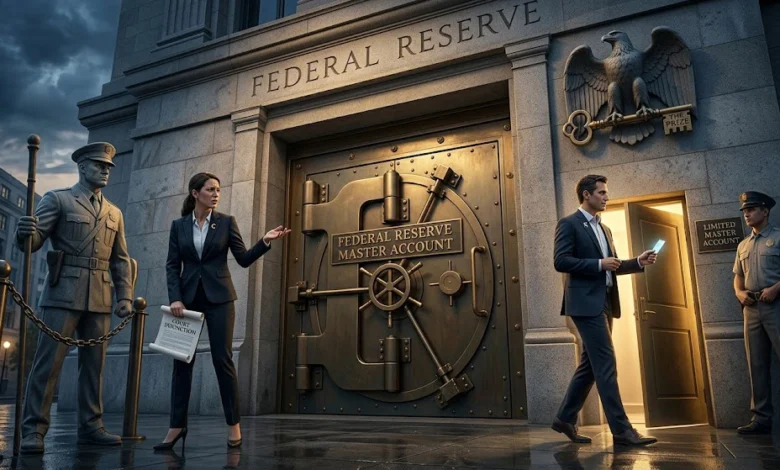
Custodia, the Wyoming-based crypto bank founded to bridge digital assets with traditional finance, has officially hit a legal brick wall. This week, the court firmly closed the firm’s long-running fight with the Federal Reserve over access to a master account. But the dismissal isn’t what should have the market paying attention. It’s what happened right next door.
Just as the gavel came down on Custodia, the Federal Reserve decided it was finally time to crack open the vault for the digital asset industry.
A Door Closes, Another Opens
The core of the issue has always been access. A Federal Reserve master account is the holy grail for any financial institution. It allows a bank to move money directly through the central bank’s plumbing, bypassing expensive intermediaries. Custodia fought tooth and nail for this access, arguing they met all statutory requirements.
The Fed said no. Custodia sued. Now, the “court closes Custodia fight with Federal Reserve.”
Yet, the central bank’s sudden shift in posture is jarring. Reports confirm that just days before Custodia’s case was shut down, the Federal Reserve granted a limited master account to Kraken.
Why Kraken, and why now? The Federal Reserve has historically treated crypto-native entities like radioactive material. Handing a limited account to one major player while simultaneously defeating another in court smacks of picking winners and losers behind closed doors.
When a regulator fights a multi-year legal battle to deny a specific license, only to turn around and grant a similar license to a different company, market participants should be asking hard questions.
Is the Federal Reserve using the court system to stall entities it dislikes while it quietly sets its own terms with preferred players? The central bank has extensive discretionary power, but exercising that power in the shadows creates a chilling effect on financial competition.
If the “Fed opens master-account door” immediately after squashing Custodia, it suggests the issue was never about the structural risk of crypto banks. It was about control. The Federal Reserve wants to dictate exactly who gets to play in its sandbox, and it clearly decided Custodia wasn’t on the guest list.
The Real Cost of Selective Enforcement
This isn’t just a loss for one Wyoming bank. It’s a signal to the entire digital asset sector. You can follow the rules, file the paperwork, and fight in court, but the Federal Reserve will ultimately decide your fate based on its own opaque criteria.
The market loves a winner, and Kraken’s new limited access is certainly a step forward for institutional crypto integration. But we should remain highly critical of a regulatory environment where the rules of the road change depending on who is driving.